Charting Layered Incentive Pathways in Slot Reward Systems
Taylor Baumann · Jul 17, 2026
Charting Layered Incentive Pathways in Slot Reward Systems
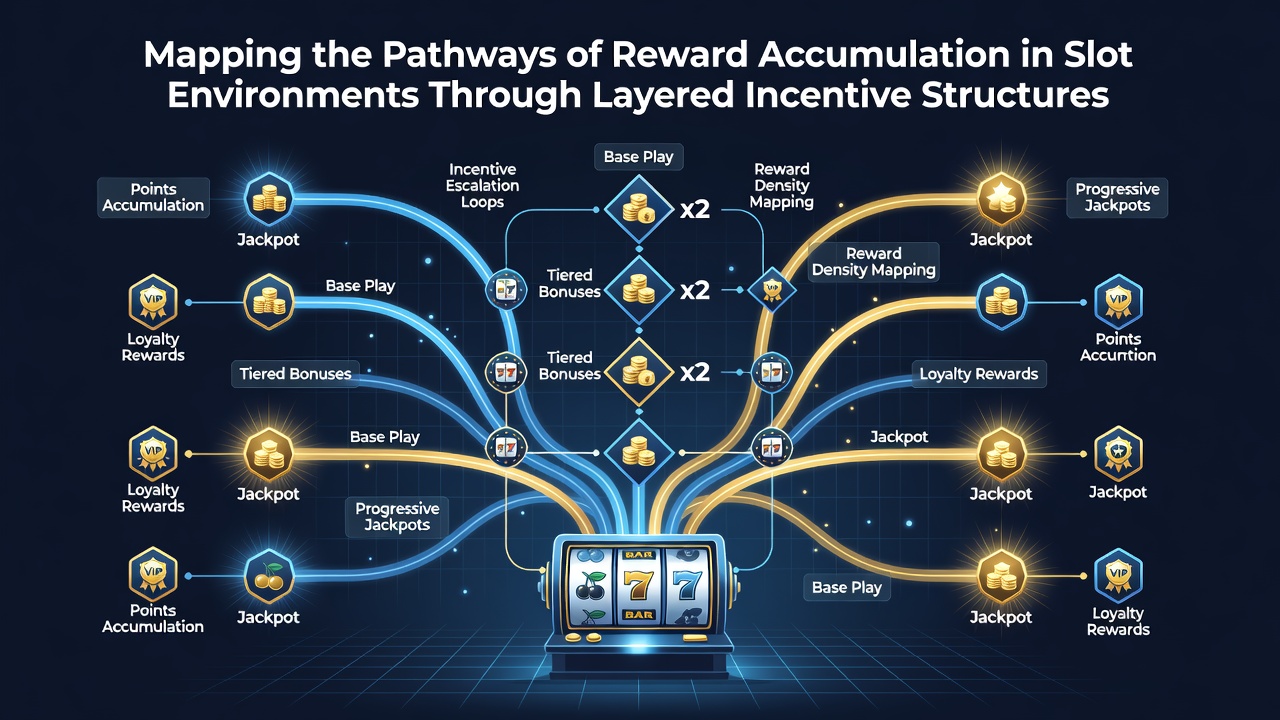
Slot environments operate through interconnected reward mechanisms that accumulate value across multiple tiers, and researchers in behavioral economics along with game design have mapped these pathways in detail over recent years. Data from industry reports indicate that operators structure incentives in sequential layers, beginning with immediate spin outcomes and extending through loyalty programs that track cumulative play metrics. These systems connect short-term triggers like symbol matches to longer-term progressions such as tiered point systems, creating continuous accumulation routes that studies from academic institutions have examined closely.
Core Mechanisms of Initial Reward Layers
Base game mechanics form the foundation where random number generators determine symbol alignments on reels, and operators enhance these with multiplier features that scale payouts according to bet levels. Observers note that many environments integrate scatter symbols and wild substitutions early in the sequence, allowing players to build toward bonus rounds without additional deposits. Figures from regulatory filings in Nevada reveal that such base-layer incentives account for a substantial portion of session engagement, with July 2026 updates to state gaming data showing consistent patterns in how these elements feed into secondary structures.
Progression Through Mid-Tier Accumulation
Once base rewards activate, mid-tier incentives introduce progressive elements such as accumulating meters or loyalty points that convert into free rounds or cash equivalents. Industry analyses from the American Gaming Association highlight how these layers track metrics like total wagers and frequency of play, routing accumulated value into personalized offers that appear at set thresholds. Experts have observed that this stage often incorporates time-limited challenges, where completing objectives unlocks additional pathways while maintaining the flow from initial spins to sustained participation. What's interesting is how these mid-layers bridge immediate outcomes with extended programs, using data analytics to adjust thresholds dynamically based on aggregate player behavior across regions.

High-Tier Structures and Cross-Environment Integration
Advanced layers extend into VIP frameworks that aggregate data from multiple sessions and venues, converting high-volume activity into exclusive access or enhanced multipliers. Reports from the Australian Institute of Criminology examine similar models in international markets, where operators link slot participation to broader loyalty ecosystems that include cross-promotions with table games or digital platforms. In July 2026, several jurisdictions updated disclosure requirements around these high-tier pathways, requiring clearer mapping of how points convert across different incentive types. Those who've analyzed the structures note that integration occurs through centralized databases, allowing seamless transfer of accumulated rewards while complying with varying regional standards from bodies like the New Jersey Division of Gaming Enforcement.
Data Patterns in Reward Flow Efficiency
Studies compiled by university research teams demonstrate that layered systems optimize retention by staggering reward visibility, with early layers delivering frequent small accumulations that sustain momentum toward rarer high-value outcomes. Evidence from longitudinal tracking shows correlations between structured pathways and session length, particularly when operators calibrate the spacing between tiers to match observed engagement curves. But here's the thing: these patterns vary by market, as operators in different regions adapt the density of layers according to local player demographics and regulatory frameworks.
Future Mapping Considerations
Advancements in real-time analytics continue to refine how pathways interconnect, enabling operators to visualize and adjust incentive flows with greater precision. Academic papers from institutions in Canada have explored predictive models that simulate accumulation routes under different structural configurations, providing operators with tools to maintain balance across layers. Data indicates ongoing evolution in these systems, particularly as environments incorporate elements from emerging technologies while preserving core progression logic that has defined slot reward design for decades.
Conclusion
Layered incentive structures in slot environments create mapped pathways that connect immediate gameplay triggers to sustained accumulation across tiers, and comprehensive examinations by researchers and regulatory analysts reveal consistent design principles underlying these systems. Information from diverse sources underscores how operators maintain these flows through data-driven adjustments that align with player metrics and compliance standards worldwide.