From Free Spins to VIP Access: The Reward Pathway in Modern Reel Gaming
Amir Griffin · Aug 7, 2026
From Free Spins to VIP Access: The Reward Pathway in Modern Reel Gaming
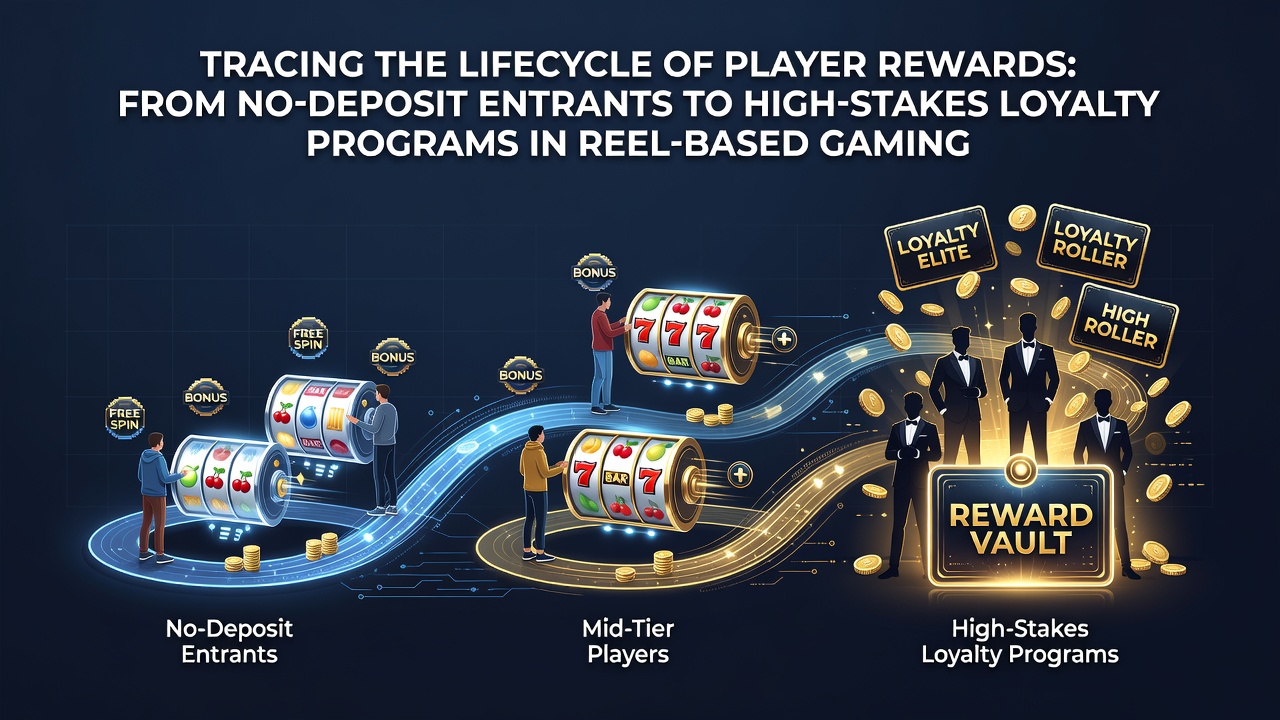
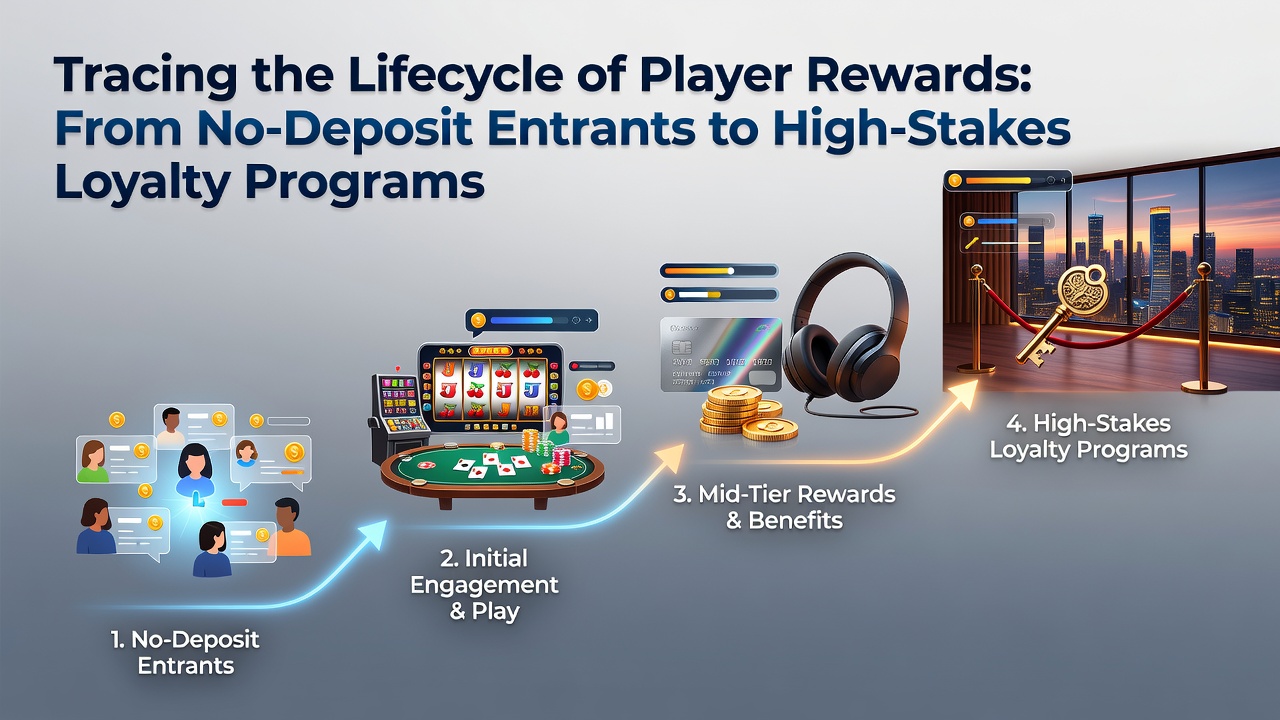
Reel-based gaming platforms structure player rewards as a progression that begins with no-deposit incentives and advances through deposit-driven engagement toward structured loyalty frameworks, and data from multiple markets shows this sequence sustains participation across operator sites. Operators introduce no-deposit offers such as free spins or small cash credits to attract new accounts without requiring an initial transfer, which allows individuals to test game mechanics before committing funds.
Entry-Level Access Through No-Deposit Mechanisms
Platforms deploy no-deposit rewards primarily via registration bonuses or promotional codes, and these tools grant limited spins on designated reel titles while enforcing wagering requirements that convert winnings into withdrawable balances over time. Regulatory frameworks in various jurisdictions require clear disclosure of terms including maximum cashout limits and game contribution percentages, which shape how entrants move from trial play into repeated sessions. Industry reports compiled through 2026 indicate that conversion rates from no-deposit starters to depositing users range between 15 and 25 percent across tracked networks, depending on the promotional structure and regional player demographics.
Transition to Deposit-Based Rewards
Once players complete initial no-deposit cycles, operators shift focus to deposit matches and reload incentives that scale with transaction size, and these offers often include additional free spins tied to specific reel themes or progressive jackpot pools. Payment method bonuses appear frequently at this stage, rewarding use of certain e-wallets or cards with extra credits, while time-limited campaigns encourage consistent funding patterns. Data from the American Gaming Association reveals that deposit-linked promotions account for the majority of bonus volume distributed in regulated markets, because they tie directly to revenue generation while still providing perceived value to participants.
Advancement Into Tiered Loyalty Structures
Loyalty programs track cumulative activity through points systems that accumulate from wagers placed on reel games, and higher point totals unlock tiered benefits such as cashback percentages, exclusive tournament entries, and personalized free spin packages. Operators segment players into bronze, silver, gold, and platinum levels based on monthly or annual activity metrics, with each tier delivering incremental advantages that encourage sustained play volume. One study released by researchers at the University of Nevada Reno examined loyalty data across several platforms and found that participants reaching mid-tier status increased their average session length by approximately 40 percent compared with entry-level users.
Points accrual formulas typically assign values per unit wagered, though reel games contribute at different rates than table products, and seasonal multipliers during August 2026 promotional windows further accelerated tier climbs for active accounts. VIP managers often extend direct outreach to top-tier players, offering bespoke experiences that include higher deposit limits, faster withdrawal processing, and invitations to offline events, all calibrated to retain high-value participants within the ecosystem.
High-Stakes Loyalty Features and Retention Tools
Elite programs incorporate elements such as dedicated account handlers, customized reel promotions, and access to private jackpot pools that operate separately from public offerings, and these features differentiate high-stakes participants from standard users. Operators monitor lifetime value metrics to determine eligibility for invitation-only tiers, while automated systems flag players whose activity patterns suggest potential movement into premium segments. Figures from the Canadian Gaming Association show that loyalty program retention rates exceed 70 percent among players who reach the uppermost tiers, because the accumulated perks create measurable switching costs that discourage migration to competing sites.
Conclusion
The lifecycle from no-deposit entry points through deposit engagement and into high-stakes loyalty programs follows documented patterns across reel gaming markets, with each stage building on prior activity to maintain player presence. Regulatory oversight in multiple regions continues to shape disclosure requirements and responsible play tools that accompany these reward structures, while operator analytics refine tier thresholds and benefit allocations based on aggregated performance data.