Hybrid Reel Evolutions: Live Elements Reshaping Bonus Triggers in Digital Slots
Casey Simmons · Jun 26, 2026
Hybrid Reel Evolutions: Live Elements Reshaping Bonus Triggers in Digital Slots
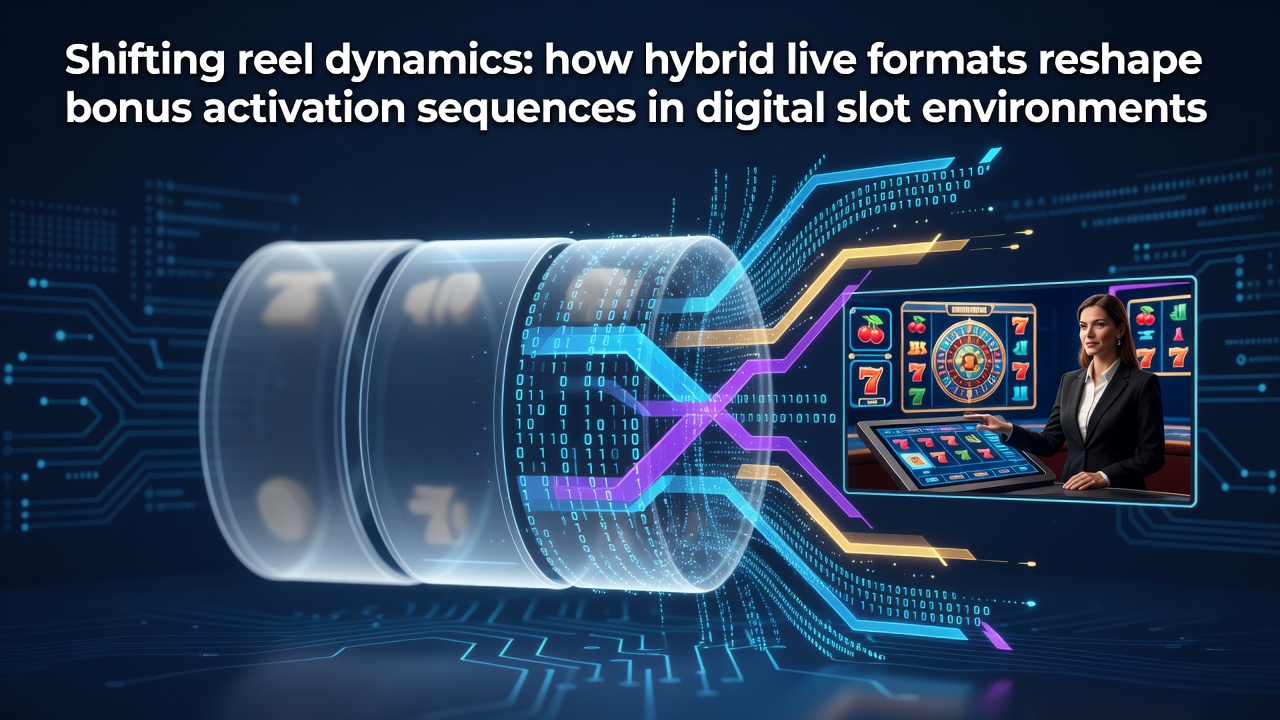
Hybrid live formats combine digital slot mechanics with live dealer interactions or real-time event feeds, and these setups alter how bonus activation sequences unfold compared to traditional RNG-driven systems. Developers integrate live video streams or synchronized events into the base game loop so that bonus triggers depend on both algorithmic outcomes and external live inputs such as dealer decisions or shared community events. Observers note that activation sequences now follow multi-stage paths where an initial live cue must align with reel symbols before the bonus round loads, creating layered dependencies that replace single-spin triggers common in standard digital slots.
Mechanics Behind Hybrid Bonus Sequences
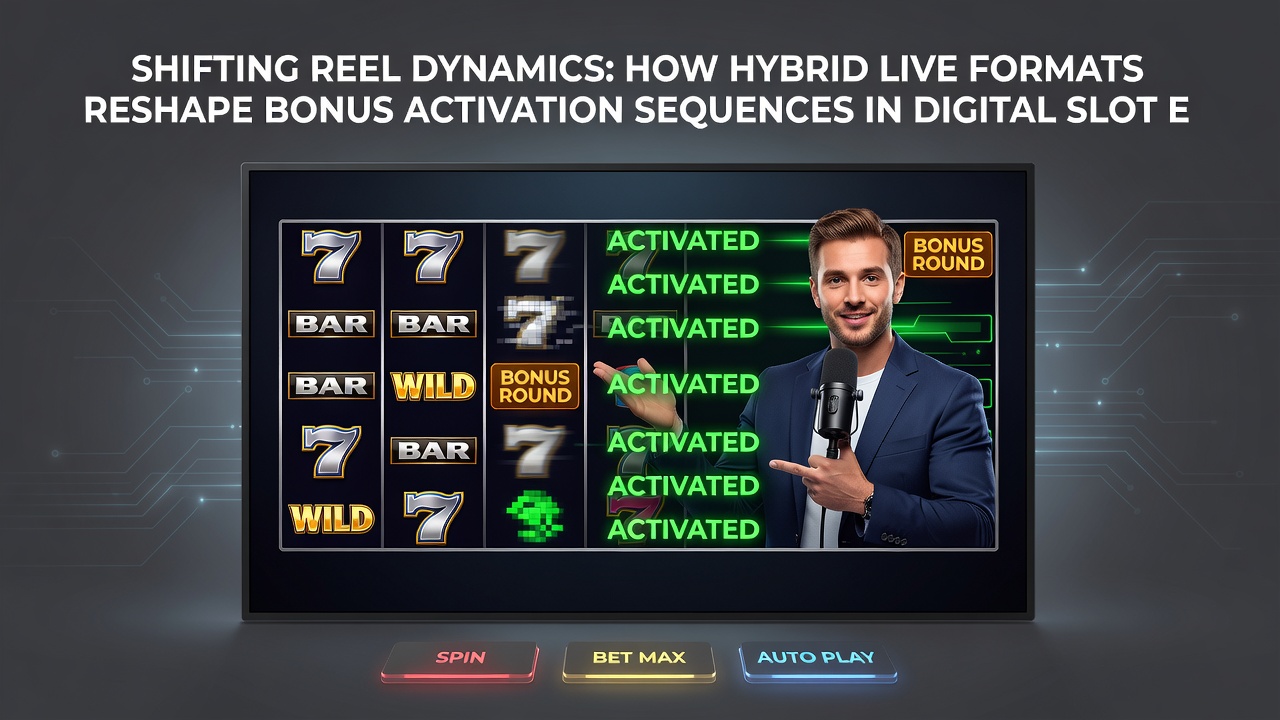
Traditional slots rely on random number generators to determine symbol alignment and bonus entry in one step, whereas hybrid formats split the process across digital and live components. A live dealer might spin a physical wheel that feeds results into the digital interface, and only after this live outcome registers does the system check reel positions for the final activation. Research from the Nevada Gaming Control Board highlights how these combined sequences require synchronized data streams between studio equipment and game servers, which lengthens the interval between base game spins and bonus entry while adding visual confirmation steps for players. Those who study game architecture point out that the added live layer introduces timing variables absent from pure digital environments, so bonus activation now hinges on network stability and live event scheduling rather than isolated reel calculations alone.
Sequence Variations Across Platforms
Platforms implement hybrid sequences in distinct ways that reflect different integration levels. Some titles embed live multipliers that activate only when a community-triggered event coincides with specific reel patterns, turning what used to be an automatic bonus into a conditional sequence requiring dual confirmation. Others route bonus entry through a live-hosted mini-game whose result modifies the digital reel set before the feature begins. Data from the Pennsylvania Gaming Control Board shows increased use of these conditional paths in 2025 deployments, where activation now includes an average of three verification stages instead of the previous single RNG check. And because live elements operate on fixed studio schedules, certain bonus sequences become time-sensitive, available only during designated broadcast windows that shift daily or weekly.
Technical Requirements for Synchronized Activation
Hybrid systems demand precise timestamp alignment between live video feeds and digital reel engines to prevent desynchronization during bonus handoff. Engineers achieve this through dedicated middleware that maps live event codes directly to reel state variables, ensuring that a dealer-announced multiplier instantly adjusts pending symbol evaluations. Industry reports indicate that latency under 200 milliseconds remains essential for seamless transitions, and any delay can interrupt the activation sequence mid-process. Those monitoring platform performance note that operators deploy redundant server clusters specifically for hybrid titles to maintain continuity when live inputs arrive, which represents a departure from the lighter infrastructure sufficient for conventional digital slots.
Market Developments Through Mid-2026
By June 2026 several major studios had expanded hybrid catalogs with titles featuring live-triggered progressive elements that accumulate across multiple digital sessions before releasing into bonus rounds. These progressives activate only after a live community milestone registers, so the sequence spans both asynchronous player activity and scheduled live broadcasts. Figures from the Australian Communications and Media Authority reveal steady growth in hybrid game approvals during this period, driven by operators seeking differentiation through live integration. What's interesting is how these formats require updated compliance frameworks that address both digital RNG certification and live studio oversight, creating new evaluation protocols for regulators across regions.
Player Interaction Patterns in Hybrid Environments
Players encounter bonus activation sequences that now incorporate decision points during live segments, such as choosing between multiple live-hosted modifiers before the digital reels finalize the outcome. This structure replaces the passive waiting period of traditional slots with active participation phases that occur between base spins. Observers tracking session data find that the extended sequence length encourages longer dwell times on hybrid titles, because each activation stage provides distinct visual and auditory feedback. Yet the dependency on live scheduling also means certain bonus opportunities remain unavailable outside broadcast hours, introducing a temporal rhythm to gameplay absent from always-on digital formats.
Regulatory Perspectives From Varied Jurisdictions
Regulatory bodies outside the United Kingdom evaluate hybrid bonus sequences under frameworks that treat live components as separate certified modules. The New Jersey Division of Gaming Enforcement requires separate testing for live-to-digital data handoffs to confirm that activation sequences remain fair and auditable. Meanwhile, Canadian provincial regulators have begun examining how live event scheduling affects bonus frequency disclosures, ensuring operators publish accurate activation probabilities that account for both digital and live variables. These approaches differ from purely digital standards and reflect the need to verify integrity across multiple input sources.
Conclusion
Hybrid live formats continue to integrate live inputs into digital slot bonus activation sequences, resulting in multi-stage processes that blend algorithmic checks with real-time external events. Technical synchronization demands, regulatory adaptations, and shifting player interaction patterns mark the transition away from single-step RNG triggers. Data from multiple oversight bodies document ongoing platform expansions that standardize these combined sequences, while maintaining distinct certification paths for live and digital elements. The result is an evolving operational model where bonus activation depends on coordinated live-digital workflows rather than isolated reel outcomes alone.