Inside Progressive Loyalty Mechanisms and Their Role in Sustaining Interest Among Mobile Slot Participants
Taylor Baumann · Jul 28, 2026
Inside Progressive Loyalty Mechanisms and Their Role in Sustaining Interest Among Mobile Slot Participants
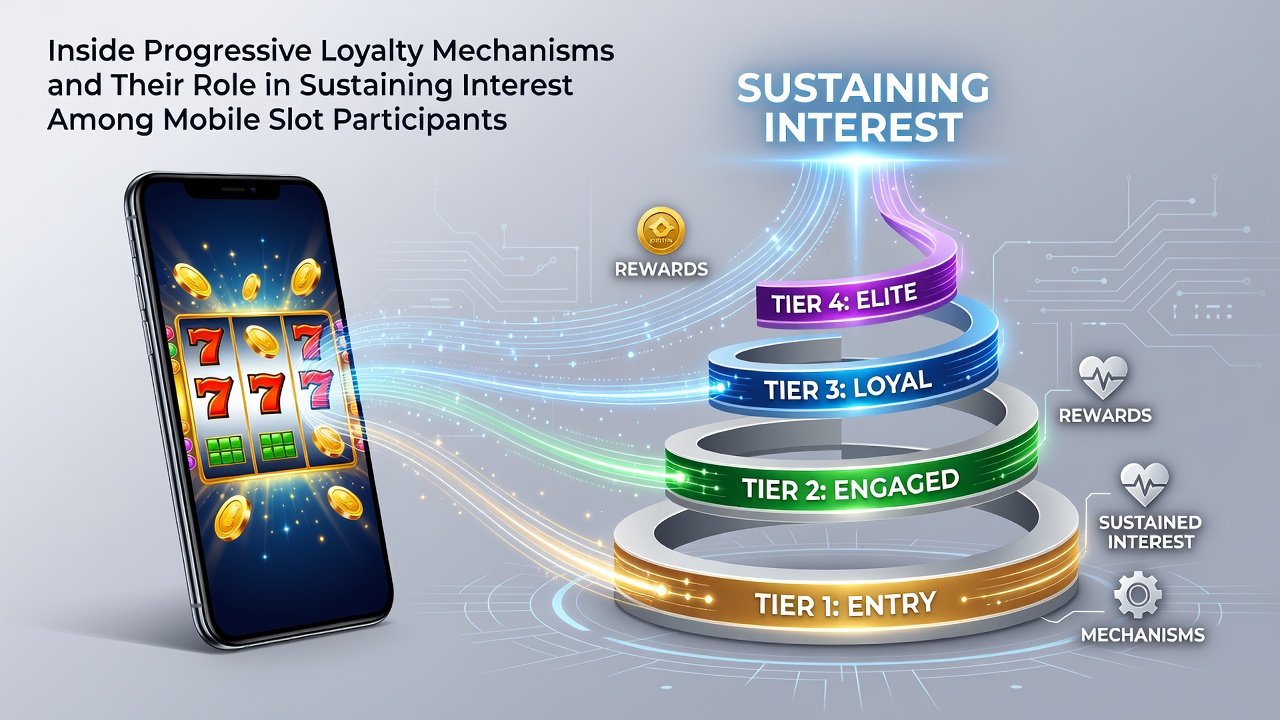
Progressive loyalty mechanisms operate through structured point accumulation systems that advance participants through defined tiers based on consistent activity levels, and these frameworks have gained traction in mobile slot environments where session frequency and duration directly influence reward access. Operators implement algorithms that track wager volume alongside login patterns, converting that data into tiered status upgrades which unlock escalating benefits such as enhanced return-to-player percentages or exclusive game variants.
Core Components of Progressive Loyalty Frameworks
Points accrue through a combination of base gameplay and multiplier events, while thresholds reset periodically to maintain momentum across calendar cycles. Participants advance when cumulative metrics surpass established benchmarks, and each subsequent level introduces new variables like accelerated point multipliers or time-limited challenges that reset upon completion. Research from the American Gaming Association indicates these layered structures correlate with extended session metrics across digital platforms, particularly in markets where mobile access dominates user engagement patterns.
Systems often incorporate daily or weekly objectives that feed into the larger progression model, and failure to meet incremental targets simply maintains current status rather than causing demotion. This design choice reduces attrition risk while still incentivizing regular returns, and data collected from app analytics platforms shows measurable lifts in return rates among users enrolled in multi-tier programs compared to those outside such systems.
Mobile-Specific Adaptations and Retention Patterns
Mobile slot applications integrate loyalty tracking directly into push notification ecosystems, sending tier progress updates and milestone alerts that prompt immediate re-engagement. Developers embed real-time dashboards within the interface so users monitor advancement without leaving the application, and synchronization across devices ensures continuity when players switch between tablets and phones during a single day. A study published through the University of Nevada's gaming research division in July 2026 documented that mobile users participating in progressive loyalty programs averaged 18 percent longer monthly play windows than non-participants across sampled North American operators.
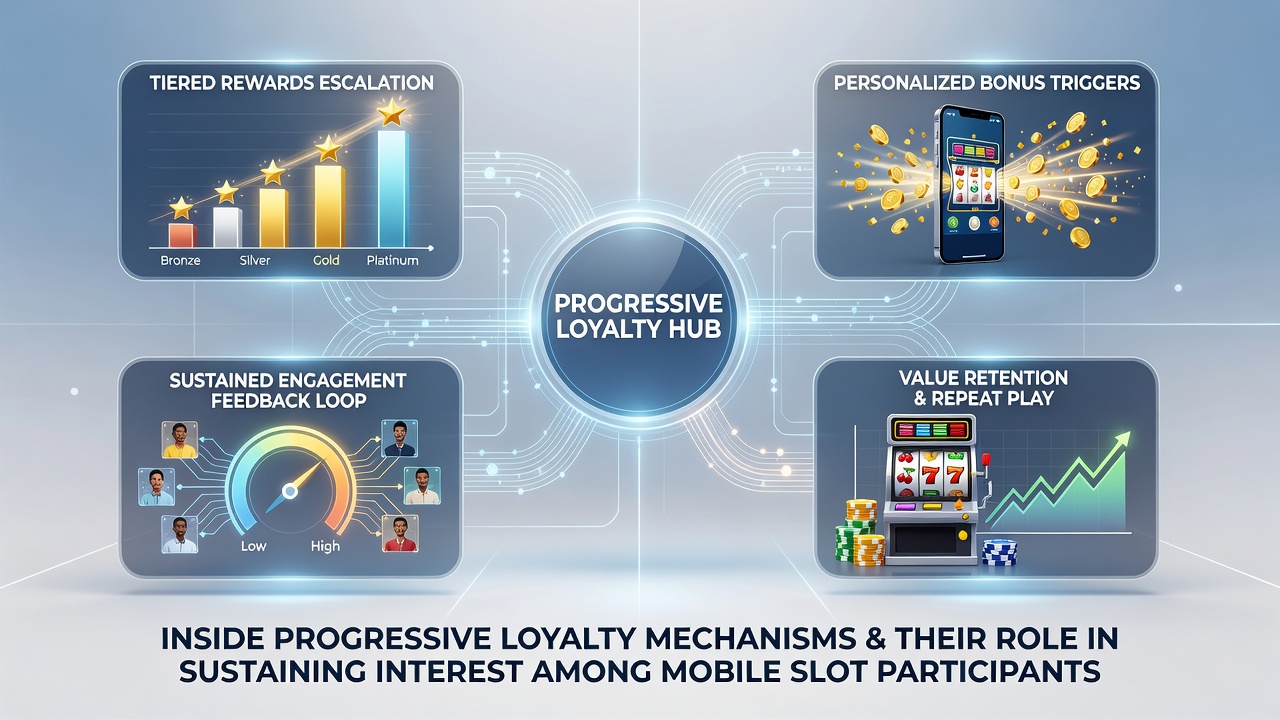
Geolocation features further refine these mechanisms by offering location-based challenges that align with user movement patterns, and integration with device sensors allows for seamless verification of completed tasks. Observers note that such adaptations prove especially effective in sustaining interest during periods of lower overall market activity, because the progressive nature creates ongoing objectives independent of external jackpot cycles or seasonal promotions.
Evidence from Broader Industry Data
Figures released by the Canadian Gaming Association reveal that operators deploying progressive loyalty layers reported a 12 percent increase in active monthly users between early 2025 and mid-2026, with mobile channels accounting for the majority of that growth. Retention curves flatten less sharply when participants reach mid-tier thresholds, and the presence of visible progress bars appears to extend lifetime value metrics according to aggregated operator reports. Those who've examined cross-platform comparisons find similar patterns in Australian jurisdictions where digital slot participation continues to expand, suggesting the mechanisms function consistently across regulatory environments.
Progressive systems also incorporate social elements such as leaderboard placements within loyalty cohorts, and these competitive overlays add another dimension that encourages repeated logins to maintain or improve relative standing. Data indicates participants who engage with both individual progression and group rankings exhibit higher consistency in weekly activity compared to those using progression alone.
Conclusion
Progressive loyalty mechanisms sustain interest among mobile slot participants by converting routine activity into measurable advancement across defined stages, supported by mobile-native tools that deliver timely feedback and adaptive challenges. Industry reports and academic analyses continue to track correlations between tiered reward structures and extended engagement metrics, while operators refine these systems based on performance data gathered through 2026. The frameworks remain a central component in how digital slot platforms structure long-term user relationships.