Mapping Integrations Between Leaderboard Rankings and Reload Incentives in Blended Mobile Live Dealer Platforms
Amir Griffin · Jul 24, 2026
Mapping Integrations Between Leaderboard Rankings and Reload Incentives in Blended Mobile Live Dealer Platforms
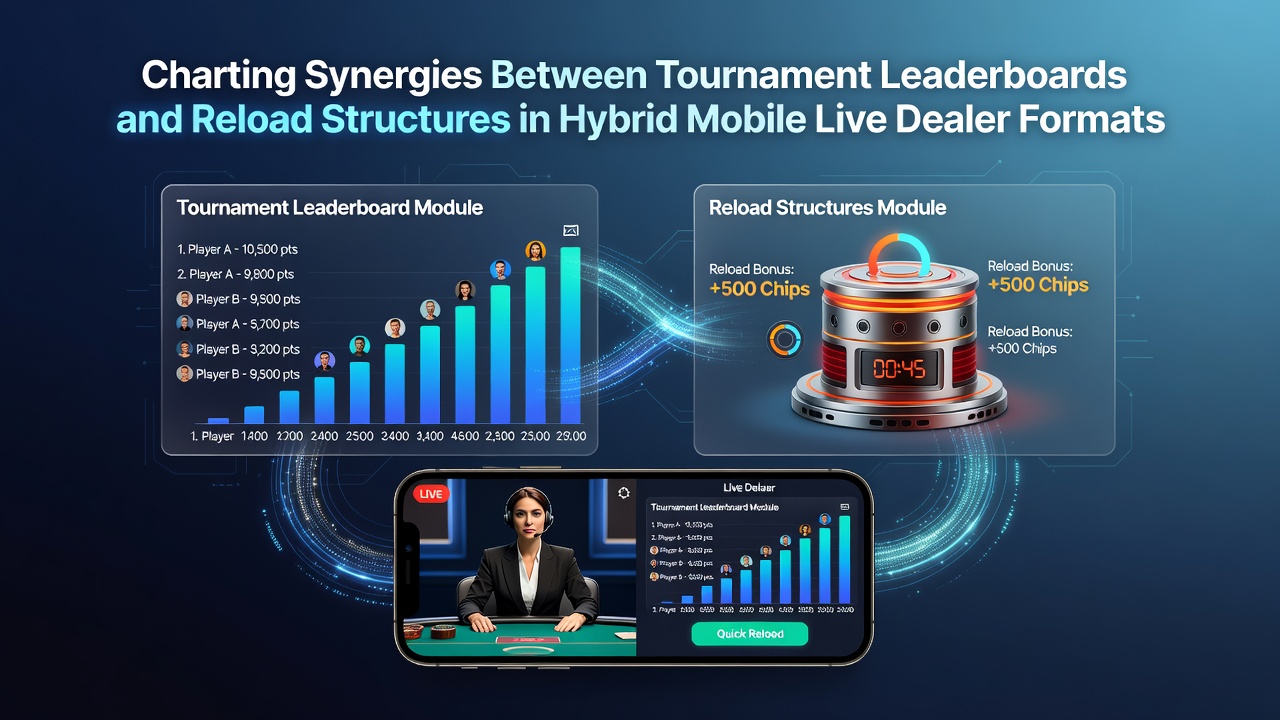
Hybrid mobile live dealer formats combine live table games with slot-style mechanics on smartphone applications, and operators have started aligning tournament leaderboards directly with reload bonus systems to create continuous engagement loops. Research from industry groups shows these alignments allow players who climb rankings to unlock reload credits that fund additional entries or extended play sessions without separate deposits.
Core Mechanics of Tournament Leaderboards
Leaderboards track player performance across real-time metrics such as win rates, spin volumes, and table decisions in hybrid environments where live dealer streams merge with digital reel elements. Data indicates that platforms update standings every few minutes during events, which lets participants monitor progress and adjust strategies while the competition remains active. Observers note that scoring often incorporates multipliers tied to wager size and game type, creating layered competition that rewards both consistency and high-stakes decisions.
Reload Structures in Mobile Contexts
Reload incentives provide credits after an initial deposit period, and in hybrid formats these offers frequently activate based on leaderboard position or total tournament points accumulated. Figures from market analyses reveal that reload amounts scale with ranking tiers, so top performers receive larger percentages while mid-tier players access smaller but recurring boosts that support ongoing participation. Platforms deliver these through in-app notifications that appear immediately after a qualifying session ends, which streamlines the process and reduces friction between tournament rounds.
Building Synergies Across Systems
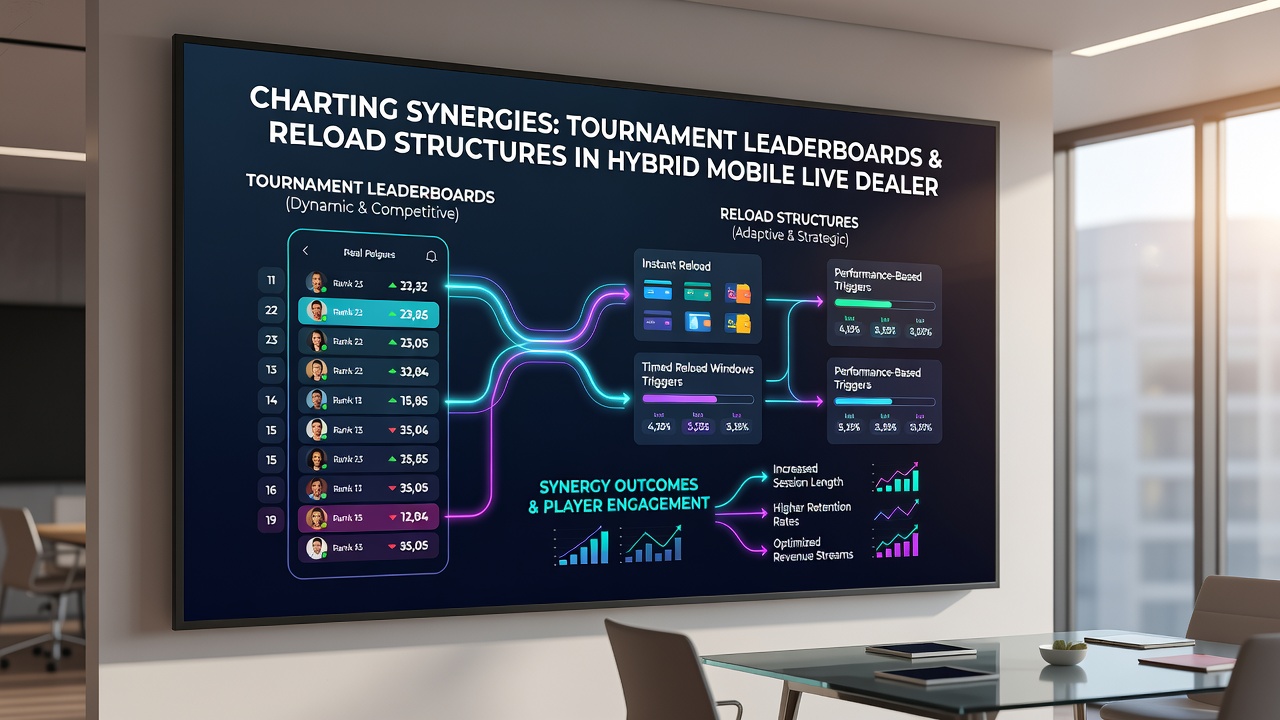
Operators connect leaderboard data feeds to reload engines so that points earned in one session directly influence bonus eligibility in the next, and this linkage produces measurable increases in session length according to aggregated platform reports. When a player reaches a new ranking threshold, the system automatically calculates and presents a reload option that matches the achieved level, which keeps momentum high without requiring separate promotional codes. Studies from research institutions have documented how such connections reduce drop-off rates between events because participants see tangible value in maintaining their positions through continued deposits and play.
Implementation Patterns Observed in July 2026
Updates released during July 2026 highlighted several platforms that refined their hybrid mobile offerings by embedding reload triggers inside live dealer interfaces, allowing seamless transitions from tournament play to bonus-funded rounds. Those refinements included real-time balance adjustments visible on the same screen as the leaderboard, which lets users decide whether to reload immediately or carry points forward. Industry organizations tracking these changes reported that hybrid formats using this approach saw higher average deposit frequencies compared with standalone tournament or bonus models.
Technical Requirements for Effective Integration
Developers rely on API connections that push leaderboard updates into bonus management databases in real time, ensuring reload offers reflect the most current standings without lag. Security protocols verify each transaction through multi-factor checks before credits appear, and this process maintains compliance across different regulatory jurisdictions. Mobile applications must handle variable network conditions while keeping both the live stream and leaderboard synchronized, which requires optimized data compression techniques that preserve visual quality on smaller screens.
Player Behavior Patterns
Analytics compiled by trade associations show participants often extend sessions when reload opportunities appear tied to leaderboard movement, because the perceived value of continued play rises when bonuses offset additional wagers. Mid-event reloads allow players to recover from temporary setbacks without leaving the competition, and data reveals that such flexibility correlates with longer overall tournament lifespans. Those patterns appear consistently across regions where hybrid formats operate under frameworks established by bodies such as the European Gaming and Betting Association.
Comparative Approaches Across Markets
Platforms operating under Canadian provincial oversight have tested versions where reload percentages increase proportionally with leaderboard climbs, while Australian operators have focused on time-limited reload windows that activate only during peak tournament hours. Research papers from university studies examining these variations indicate that localized adjustments improve retention when they align with regional player preferences for pacing and reward frequency. The differences demonstrate how the same core synergy adapts to distinct regulatory and cultural environments without altering the fundamental leaderboard-to-reload linkage.
Conclusion
Integrations between tournament leaderboards and reload structures continue to evolve within hybrid mobile live dealer formats as operators refine data connections and user interfaces. Information gathered through July 2026 and earlier periods illustrates consistent patterns where ranking achievements directly influence bonus availability, supporting extended engagement across multiple sessions. Further developments in API efficiency and regional compliance will likely shape how these systems scale in additional markets.