Mobile Incentives Converge with Live Dealer Tables in Evolving Digital Casino Landscapes
Casey Simmons · Jul 10, 2026
Mobile Incentives Converge with Live Dealer Tables in Evolving Digital Casino Landscapes
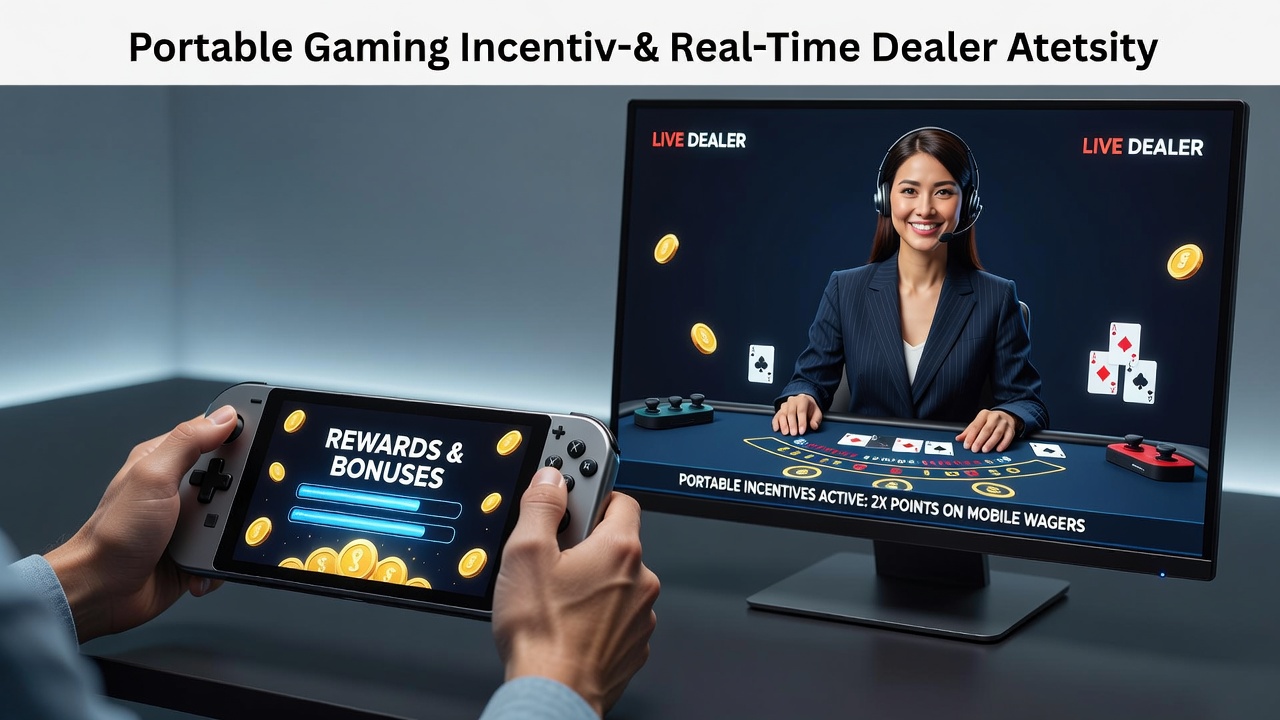
Portable gaming incentives now intersect directly with real-time dealer environments as operators integrate mobile-specific rewards into live dealer platforms across multiple jurisdictions. Data from industry reports indicate that mobile users account for over 65 percent of live dealer session starts in regulated markets by mid-2026, with operators offering deposit matches and cashback structures tied specifically to app-based access rather than desktop play.
Portable Incentives Defined in Current Markets
Portable incentives encompass targeted promotions such as no-deposit credits for first app downloads, reload bonuses activated only through mobile interfaces, and loyalty points that accumulate faster during live dealer sessions conducted on smartphones or tablets. Observers note these structures differ from traditional desktop bonuses because they often include device verification steps and session length requirements measured through mobile telemetry. In July 2026 several operators introduced tiered mobile rewards where players earn additional live dealer chips after completing a set number of hands on portable devices, linking incentive delivery directly to hardware usage patterns.
Real-Time Dealer Platforms and Mobile Integration
Real-time dealer games stream video feeds of physical tables or hybrid studio setups to player devices, allowing participants to place bets and interact via chat or gesture controls. These platforms incorporate mobile-optimized interfaces that adjust camera angles and betting timers for smaller screens while maintaining regulatory standards for fairness and latency. Research from the American Gaming Association shows live dealer traffic on mobile grew 42 percent year-over-year through the first half of 2026, driven partly by incentive programs that credit rewards immediately after mobile sessions conclude.
Key Overlap Areas Emerging in 2026
Three primary overlap zones have developed between portable incentives and live dealer interactions. First, operators apply mobile-exclusive multipliers to live dealer wagers, increasing payout rates for qualifying bets placed through apps. Second, loyalty programs now track device type alongside game type, granting VIP status faster to players who combine mobile deposits with sustained live dealer participation. Third, some platforms deliver time-limited challenges where mobile users receive dealer-specific bonuses, such as insurance coverage on blackjack tables or extra side-bet credits, after meeting play thresholds.
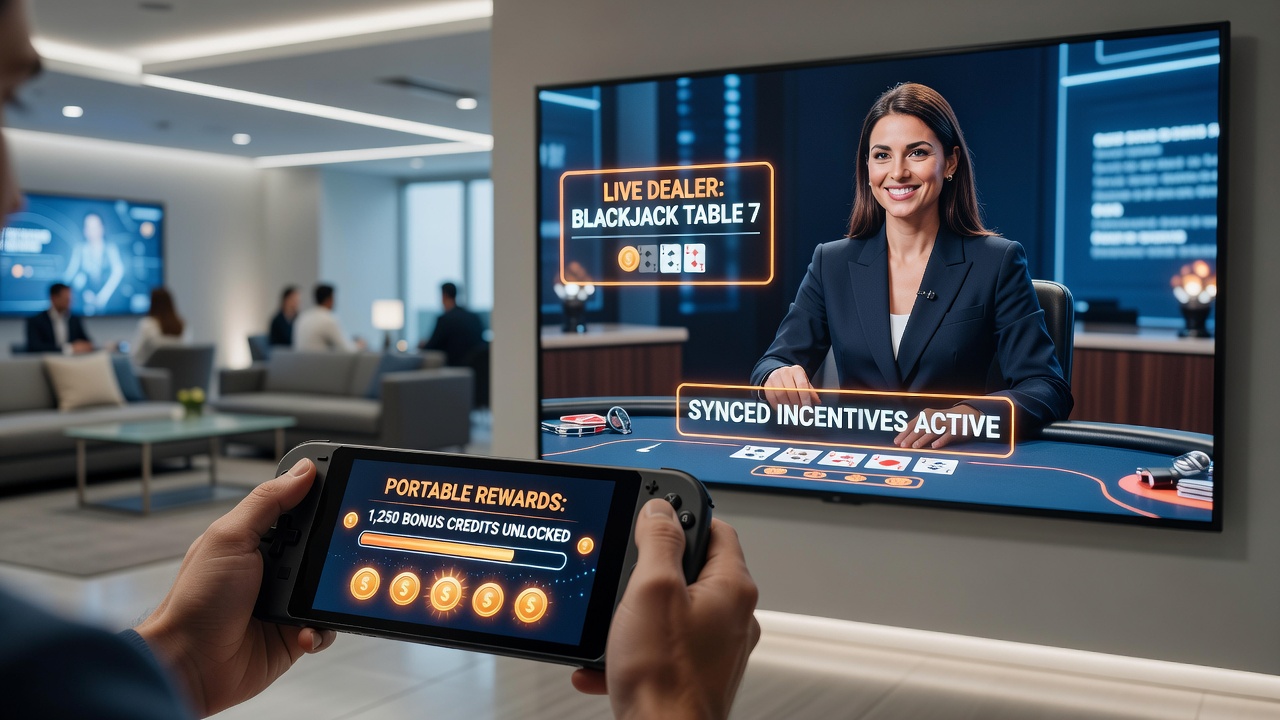
These mechanisms create measurable engagement loops. Figures released by the Canadian Gaming Association reveal that mobile users who receive combined live dealer incentives maintain session durations 28 percent longer than those using standard desktop rewards alone. The same report links these patterns to reduced player churn rates across participating operators in Ontario and British Columbia markets.
Regulatory and Technical Considerations Across Regions
Regulatory bodies outside the United Kingdom have begun addressing how mobile incentives interact with live dealer requirements. Australian state regulators updated technical standards in early 2026 to require clear disclosure of device-specific terms before bonus activation, ensuring players understand when rewards apply only to portable sessions. In the United States, several tribal gaming commissions now mandate separate audit trails for mobile-triggered live dealer bonuses to verify compliance with age and location verification protocols. These rules influence how operators structure reward delivery while preserving the real-time nature of dealer interactions.
Technical infrastructure supporting these intersections includes low-latency streaming protocols optimized for 5G networks and adaptive user interfaces that preserve chat functionality across device sizes. Industry organizations such as the European Gaming and Betting Association have documented case studies where mobile incentive campaigns increased live dealer table occupancy without extending average dealer shift lengths, indicating efficient resource allocation when incentives align with portable access patterns.
Conclusion
Portable gaming incentives and real-time dealer interactions continue to merge through device-specific reward structures, loyalty tracking, and regulatory adaptations observed across multiple markets in 2026. Available data from associations and research groups illustrate how these elements combine to shape session behavior and platform design without altering core dealer mechanics. Continued monitoring by regional authorities will determine how these intersections evolve in subsequent reporting periods.