Slot Reward Structures: The Impact of Incentive Programs and Tiered Loyalty Systems on Experiences in Mobile Applications and Live Venues
Casey Simmons · Jul 7, 2026
Slot Reward Structures: The Impact of Incentive Programs and Tiered Loyalty Systems on Experiences in Mobile Applications and Live Venues
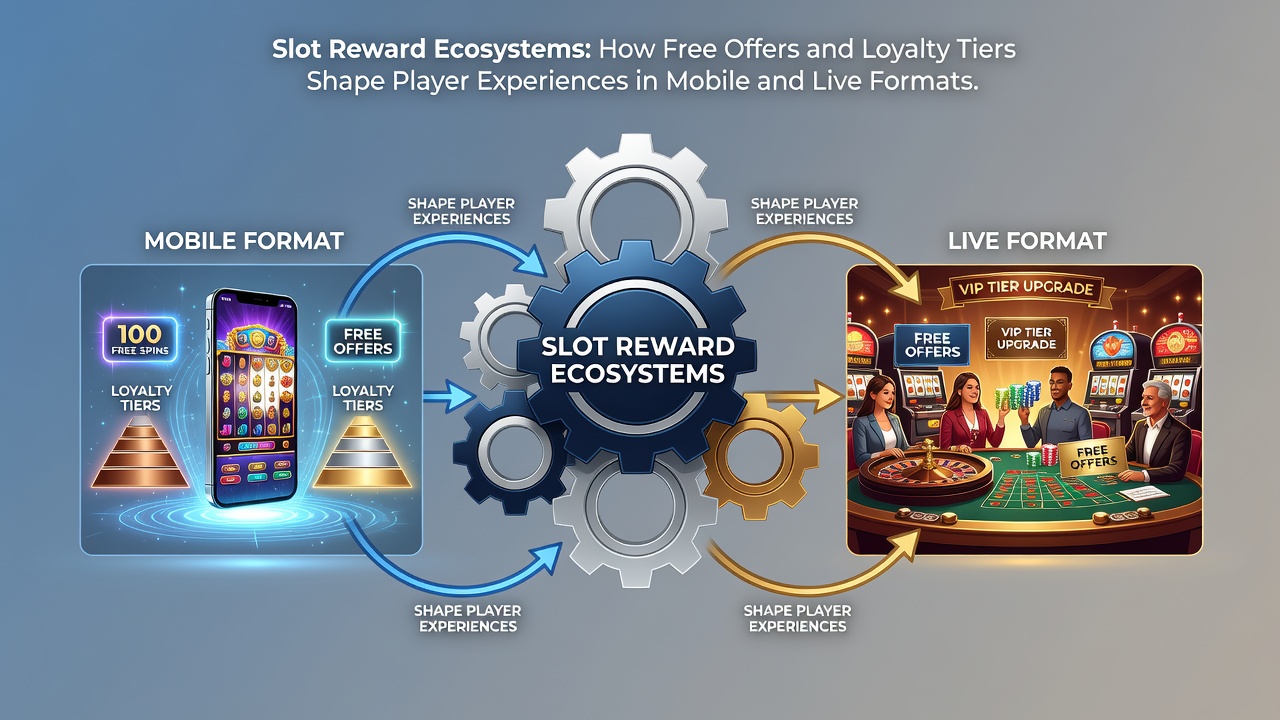
Slot reward ecosystems combine free offers with structured loyalty tiers to influence how players engage across mobile platforms and live casino environments, and data from industry reports shows these systems affect session lengths along wth repeat participation rates. Free incentives such as complimentary spins or deposit matches appear in many mobile applications while live venues integrate similar rewards through card-based tracking systems that accumulate points during physical play sessions.
Free Offers as Entry Points in Mobile Slot Formats
Mobile slot applications often deploy no-deposit bonuses to attract new users, and these promotions grant access to spins without initial financial commitment according to analyses from regional gaming authorities. Players receive these offers through app notifications or registration processes, which then transition into deposit-based rewards once accounts become active. Research from the Ontario Lottery and Gaming Corporation indicates that such entry-level incentives correlate with higher initial download volumes in regulated markets during the first half of 2026.
Live casino settings mirror this approach through promotional vouchers distributed at tables or via player cards, yet the delivery method differs because staff members handle redemptions in real time rather than automated digital systems. Both formats rely on these free elements to lower barriers, and figures reveal consistent patterns where introductory offers lead to extended trial periods before players commit funds.
Loyalty Tiers and Their Role in Sustained Engagement
Tiered loyalty programs segment participants based on activity metrics such as total wagers or visit frequency, and each level unlocks escalating benefits including cashback percentages, exclusive event access, and personalized bonuses. In mobile environments these tiers advance automatically through algorithmic tracking, whereas live venues update status via on-site kiosks or host interactions that verify point totals on the spot.
Observers note that progression through tiers often requires sustained play over multiple sessions, and this structure encourages habitual returns because higher levels deliver compounded rewards that scale with commitment. A report compiled by the University of Nevada's gaming research division highlights how tier advancement in hybrid casino operations, including both digital and physical components, produced measurable increases in average player lifetime value through mid-2026 data collection periods.
Comparative Dynamics Between Mobile and Live Experiences
Mobile platforms allow instant tier status checks and reward redemptions through integrated wallets, while live formats emphasize social elements such as tier-exclusive lounges or priority seating that cannot be replicated in app-based settings. Data compiled across multiple jurisdictions shows mobile users advance tiers more rapidly due to 24-hour accessibility, yet live players report stronger attachment to tangible perks like merchandise or travel packages tied to top-tier status.
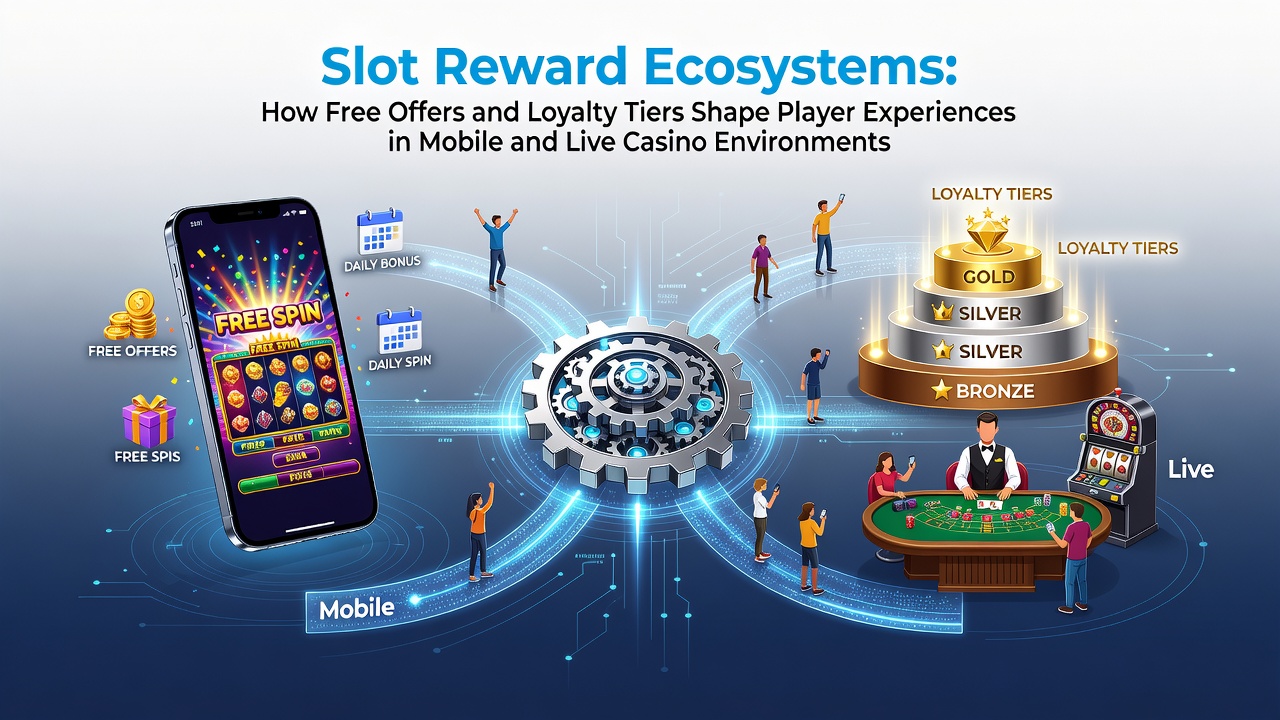
Hybrid models emerging in July 2026 integrate real-time synchronization between mobile apps and venue systems, allowing points earned on-site to appear immediately in digital accounts and vice versa. This convergence creates unified ecosystems where free offers from one channel activate across both, and industry analyses from the Australian Gambling Research Centre document how such integration supports retention metrics without requiring separate enrollment processes.
Data Patterns in Reward Utilization
Statistics gathered from platform operators demonstrate that players who engage with tiered programs generate longer average session durations compared to those using only basic free offers, and the gap widens as individuals reach mid-tier thresholds. Mobile data streams reveal frequent micro-transactions during promotional windows, whereas live environments track larger per-visit expenditures linked to tier benefits such as reduced house edges on select machines.
Those monitoring cross-platform trends note that free offers serve primarily as acquisition tools while loyalty tiers drive ongoing monetization, and the balance between these components shifts based on regulatory frameworks in different regions. External evaluations from sources like the Nevada Gaming Control Board confirm these usage patterns persist across both digital and physical formats even as new compliance standards take effect.
Conclusion
Slot reward ecosystems rely on the interplay between free offers and loyalty tiers to shape participation patterns, and evidence from regulatory and academic sources shows measurable differences in how mobile and live formats deliver these elements. Players encounter streamlined digital progression on apps alongside experiential perks at physical locations, with emerging hybrid systems bridging the two through synchronized tracking. Continued monitoring of these structures provides insight into evolving player behaviors across regulated markets.