Tracing Reward Webs: How Layered Incentives Connect Mobile Access with Sustained Reel Engagement in Digital Casinos
Amir Griffin · Jun 28, 2026
Tracing Reward Webs: How Layered Incentives Connect Mobile Access with Sustained Reel Engagement in Digital Casinos
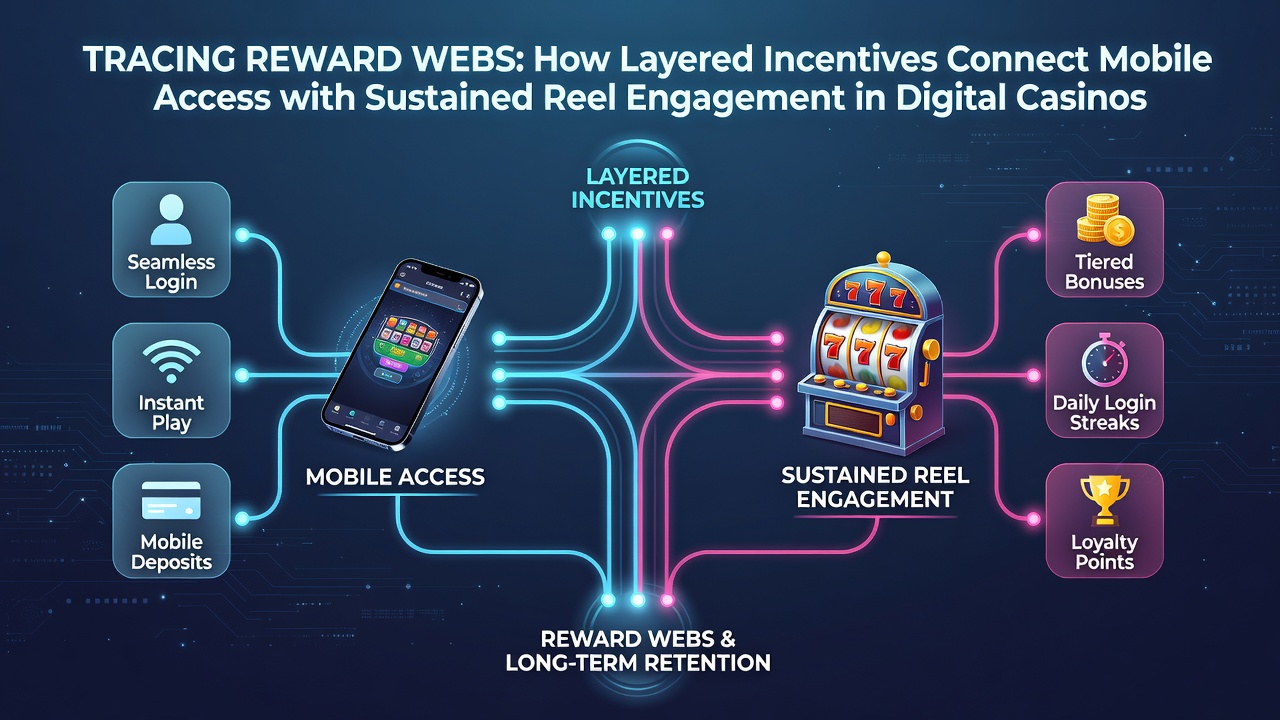
Digital casinos have developed intricate systems that link mobile access points directly to ongoing reel activity through carefully structured incentive layers, and these mechanisms operate across multiple platforms where initial entry rewards transition into sustained engagement tools. Data from industry reports show that mobile users encounter entry-level incentives such as deposit matches or free spin allocations upon first login, which then feed into broader networks of loyalty tracking that monitor spin frequency and session duration.
Mapping the Initial Layers of Mobile Incentive Structures
Mobile applications serve as primary gateways where casinos deploy sign-up bonuses that require minimal deposits yet deliver immediate access to reel-based games, and these entry points often include time-limited free spins that activate upon download completion. Research from the American Gaming Association indicates that such structures have expanded in regions including North America and parts of Asia since 2024, with mobile sessions accounting for over 60 percent of total reel interactions in tracked markets. Players receive notifications that prompt return visits, which extend the initial reward into a chain of follow-up offers tied to specific spin volumes.
Those who study player behavior patterns note that the first layer typically involves no-deposit elements or low-threshold matches, yet these quickly connect to verification steps that unlock higher-value tiers. Canadian regulatory filings from provincial gaming authorities reveal similar patterns where mobile registration data correlates with increased reel playtime when incentives escalate based on cumulative activity.
Progressive Tiers and Their Role in Reel Retention
Once mobile users complete initial reward claims, systems shift toward tiered loyalty programs that assign points per reel spin and convert those points into escalating benefits such as cashback percentages or exclusive tournament entries. These progressions create webs where each completed spin advances the user toward the next level, and data shows that users who reach mid-tier status maintain sessions that last 35 percent longer than entry-level participants according to aggregated reports from multiple operators. The connection strengthens because mobile interfaces display real-time progress bars that update after every reel outcome, keeping engagement metrics visible without requiring separate navigation.
Examples from Australian market analyses highlight how VIP vaults integrate with these tiers by offering mobile-exclusive reloads that trigger after a set number of spins within a 24-hour window, and this approach ties directly to sustained reel activity rather than isolated deposits. Observers note that such layering avoids abrupt reward drops by maintaining continuity through personalized offers generated from spin history data.
Technical Integration of Mobile Access with Reward Tracking
Backend systems employ unified player accounts that synchronize mobile logins with desktop sessions, ensuring that reward progress carries across devices while prioritizing mobile push notifications for reel-related incentives. This integration allows casinos to adjust incentive density based on real-time engagement signals, such as spin velocity or game variety selection. Studies from university research groups in Europe have documented how these connections reduce drop-off rates by delivering context-aware bonuses that reference recent reel results.
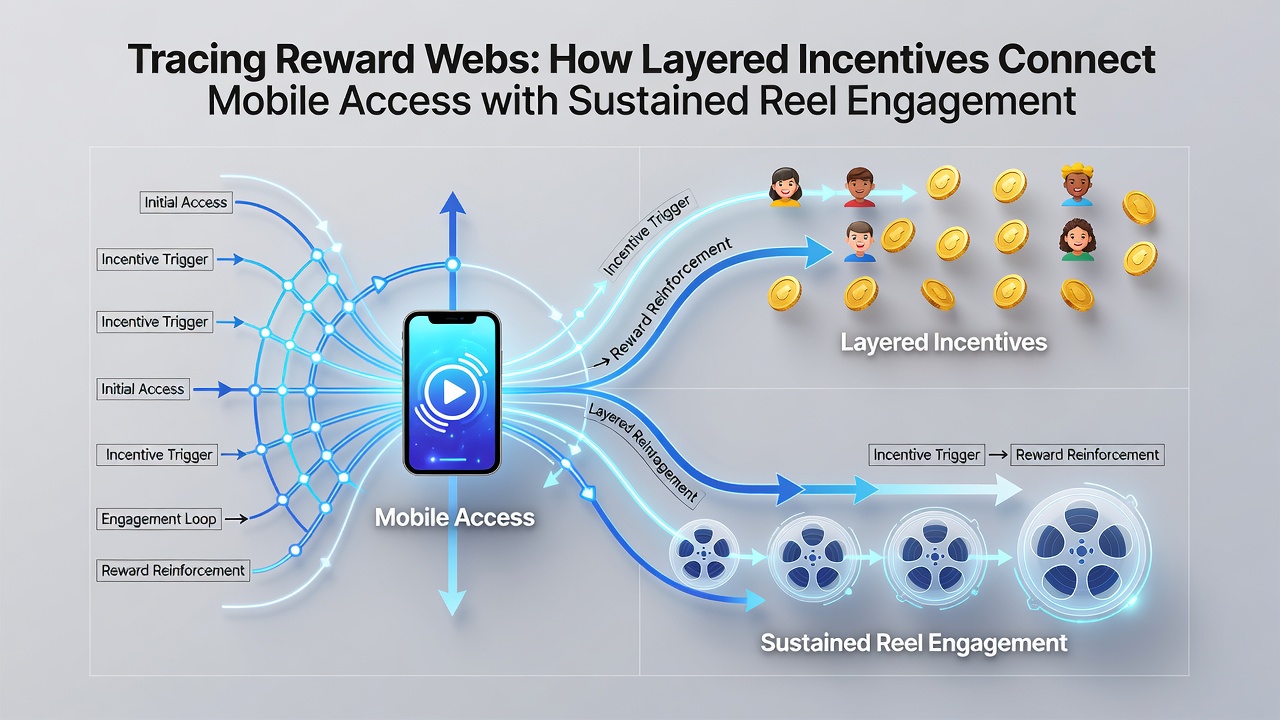
June 2026 brought updates in several jurisdictions outside the UK, including revised reporting requirements from the Nevada Gaming Control Board that emphasize transparent tracking of mobile incentive redemptions and their correlation to reel engagement hours. These changes require operators to log how layered rewards influence session continuity, providing clearer datasets for analyzing retention webs without altering core incentive mechanics.
Cross-Regional Patterns in Sustained Engagement Models
Operators in multiple markets apply similar layering strategies yet adapt them to local regulations, with some regions emphasizing tournament-style reel competitions that feed from mobile daily login rewards into larger prize pools. Industry organization reports from the European Gaming and Betting Association detail how these competitions maintain player momentum by distributing smaller incentives at frequent intervals rather than concentrating value at single milestones. The result appears in sustained reel volumes where mobile users return daily to maintain streak-based multipliers attached to their reward accounts.
Additional connections emerge when casinos link social features within mobile apps to incentive layers, allowing players to share reel achievements for bonus extensions that encourage further spins. Academic papers from research institutions have examined these social-reward hybrids and found measurable increases in session frequency when incentives reference peer activity metrics.
Conclusion
Layered incentive systems in digital casinos function as interconnected webs that begin with mobile access points and extend through progressive rewards directly tied to reel engagement metrics. Data collected across regions demonstrates consistent patterns where initial bonuses transition into ongoing structures that track and respond to spin activity, supported by technical integrations that keep progress visible on mobile interfaces. Regulatory developments scheduled around mid-2026 continue to shape reporting standards for these mechanisms, while cross-market analyses provide ongoing insights into how such webs influence long-term player behavior across varied platforms.