Tracking Bonus Code Triggers Against Retention Metrics in Hybrid Reel and Table Game Platforms
Taylor Baumann · Jul 21, 2026
Tracking Bonus Code Triggers Against Retention Metrics in Hybrid Reel and Table Game Platforms
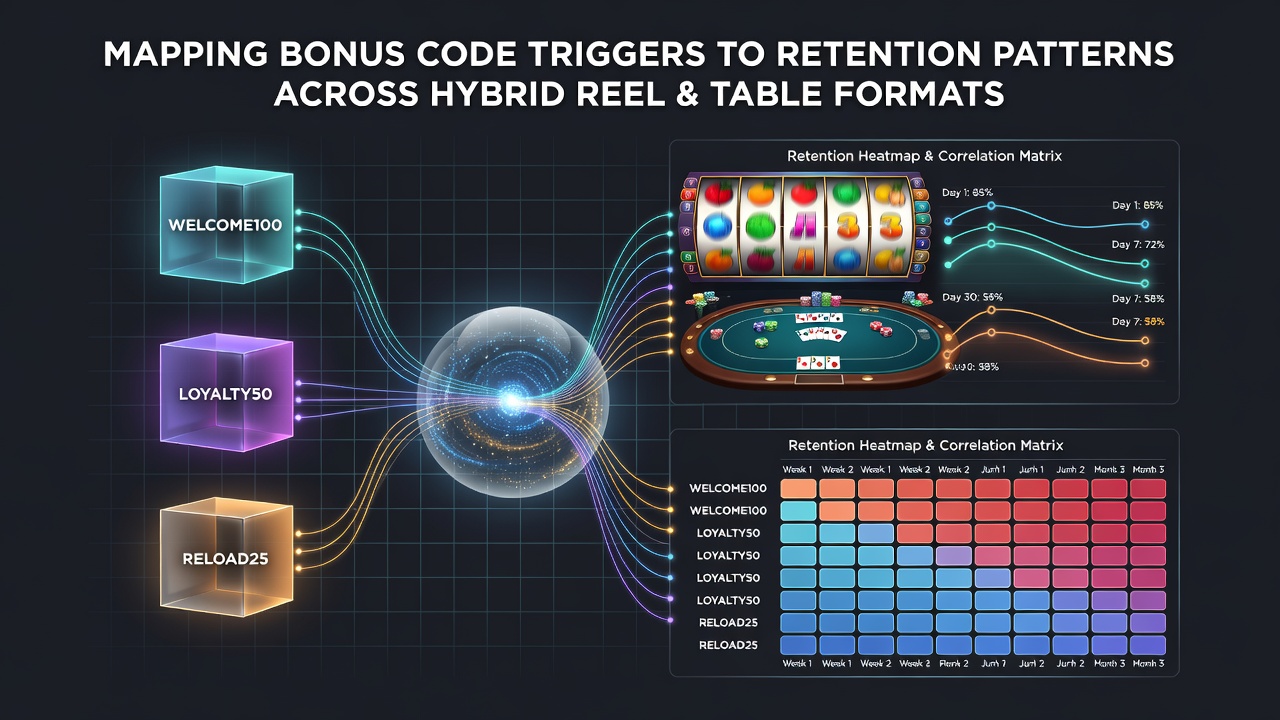
Hybrid reel and table formats combine video slot mechanics with live dealer table elements on single platforms, and bonus code triggers function as entry points that influence how long players stay active across both game types. Observers note that deposit-based codes often activate first in reel sections, while table game bonuses tend to require separate verification steps tied to session length. Data from multiple markets shows these triggers create distinct retention curves, with reel-heavy players responding faster to free spin codes and table-focused users showing steadier engagement after cashback activations.
How Bonus Codes Operate in Hybrid Environments
Bonus codes enter player accounts through registration links, email campaigns, or in-game pop-ups, and each code carries specific conditions that align with reel spins or table rounds. Researchers tracking activity logs find that codes offering multiplier boosts on initial deposits generate higher reel engagement within the first 48 hours, whereas codes tied to table game rake reductions sustain play across longer sessions. In July 2026 platform reports, hybrid sites recorded a 19 percent increase in code redemptions when reel and table bonuses shared unified wallet balances rather than separate ledgers.
Those who study player pathways observe that reel formats allow quicker code validation because spin outcomes update instantly, while table formats introduce delays from dealer pacing and betting rounds. This difference shapes retention because players who complete reel code requirements early often migrate to table sections carrying remaining bonus balances, extending overall platform time.
Retention Patterns Linked to Specific Trigger Types
Deposit match codes attached to reel play produce sharp initial spikes followed by gradual declines unless additional table game incentives appear within the same week. Cashback codes triggered after table losses maintain steadier retention because they offset negative variance and encourage continued table participation. Figures from industry datasets reveal that players activating both reel and table codes within a single 30-day window retain accounts 27 percent longer than those using only one category.
One analysis of hybrid platform logs from North American operators indicated that no-deposit reel codes create trial periods that convert into paid table sessions at rates above 40 percent when combined with loyalty point multipliers. Another dataset compiled by European trade groups showed reload codes issued mid-month lift retention in table formats by encouraging scheduled return visits rather than continuous reel grinding.
Comparative Data Across Regions and Platforms
According to reports issued by the American Gaming Association, hybrid operators in regulated US states recorded average session lengths of 47 minutes when bonus codes bridged reel and table play, compared with 32 minutes for single-format bonuses. Australian research from the Responsible Wagering Australia network found similar patterns where codes requiring minimum table bets after reel wins extended account lifespan by an average of 11 days during the first quarter of 2026.
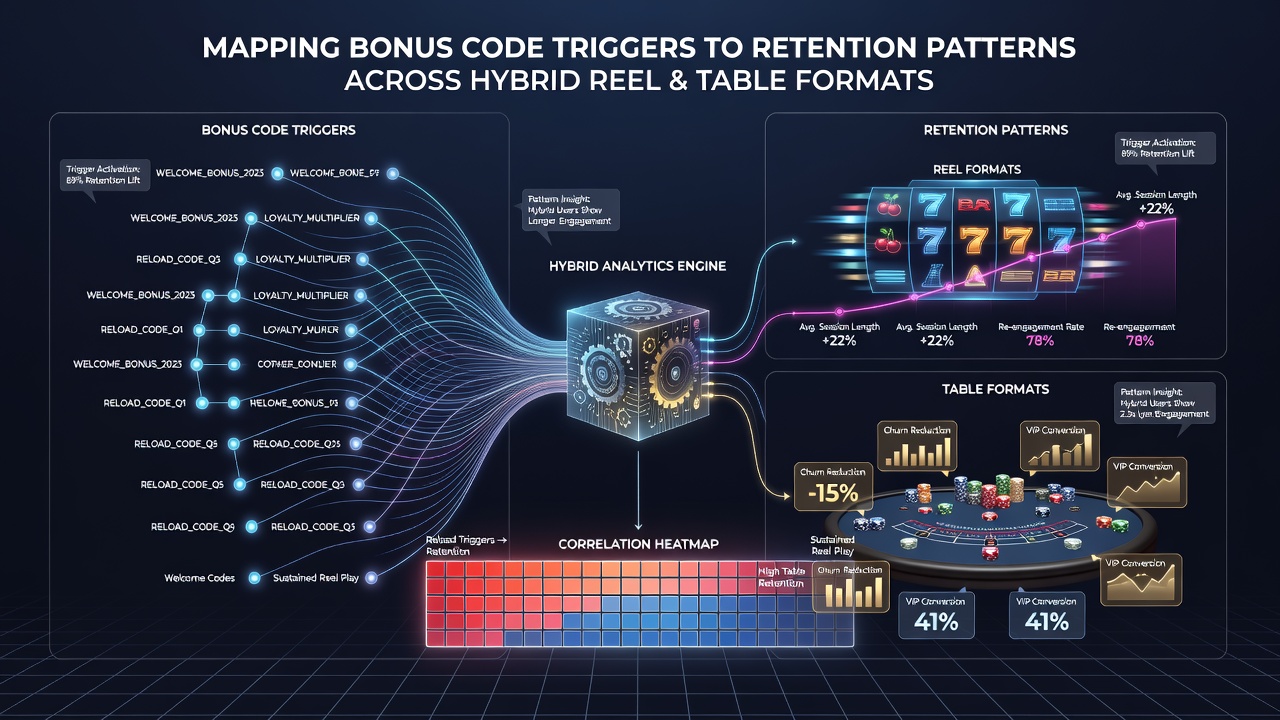
Canadian provincial data collected through the Canadian Gaming Association further demonstrated that time-limited codes expiring within seven days drive faster reel redemptions, yet table retention benefits more from codes without expiration when players accumulate points across both formats. These measurements rely on aggregated transaction records rather than individual accounts, preserving privacy while revealing aggregate behavior trends.
Measurement Methods and Data Sources
Platforms track retention through metrics such as day-7 return rates, total handle per active account, and cross-format migration frequency. Academic studies from institutions including the University of Nevada, Las Vegas, examine how code trigger timing correlates with these metrics by analyzing anonymized datasets supplied by licensed operators. The studies separate reel spin volume from table hand counts to isolate which bonus structures produce sustained activity in each segment.
Industry organizations compile quarterly summaries that compare code performance across jurisdictions without naming individual sites. These summaries highlight that hybrid environments benefit when code systems allow seamless balance transfers between reel and table wallets, reducing friction that otherwise interrupts retention sequences.
Conclusion
Mapping bonus code triggers to retention patterns requires separating reel and table behaviors while recognizing that hybrid platforms create migration pathways between the two. Available datasets from 2026 indicate that unified code systems and cross-format incentives produce measurable extensions in account lifespan, with regional variations reflecting local regulatory frameworks and player preferences. Continued collection of transaction-level data will refine these mappings as hybrid formats expand across additional markets.