Volatility Metrics Shape Slot Bonus Incentive Structures
Eden Brooks · Jul 19, 2026
Volatility Metrics Shape Slot Bonus Incentive Structures
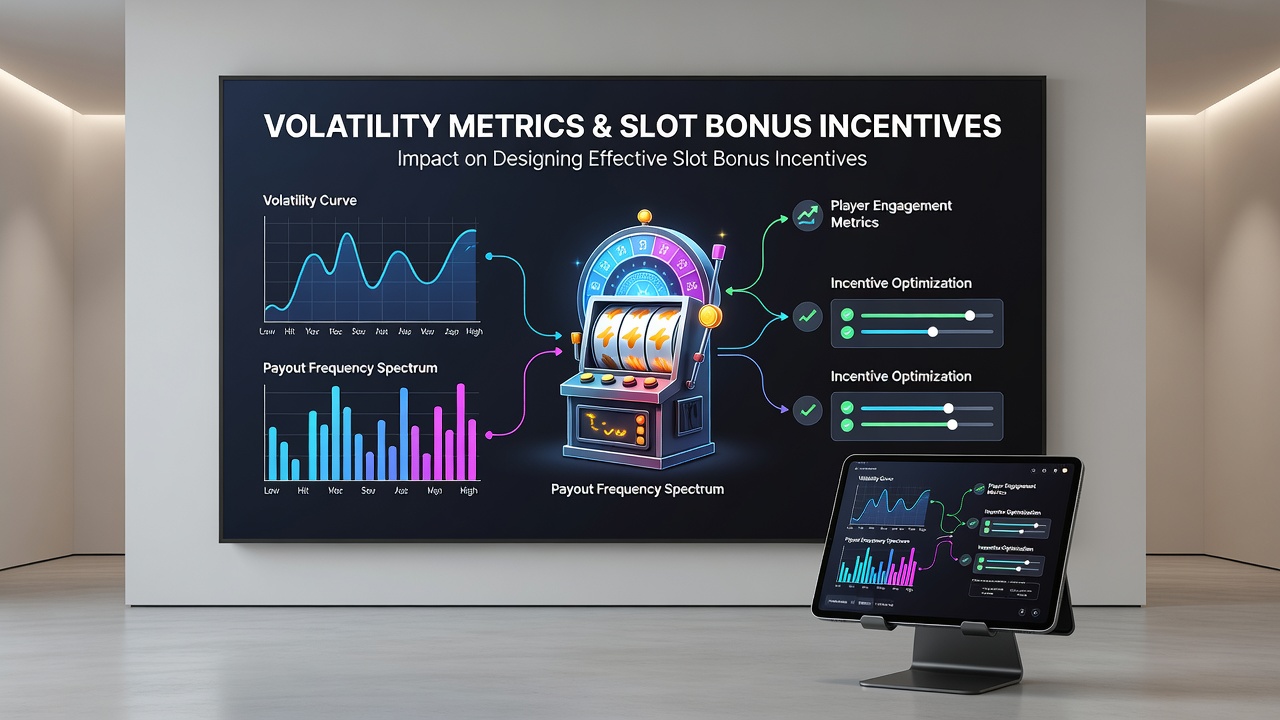
Slot volatility metrics track the frequency and size of payouts across game libraries, and these measurements directly influence how operators construct bonus incentives such as free spins, deposit matches, and cashback programs. Data from multiple markets shows that low-volatility titles produce smaller but more consistent wins while high-volatility options deliver infrequent yet larger returns, which means incentive structures must align with these patterns to maintain player engagement over time.
Defining Volatility Categories in Slot Performance
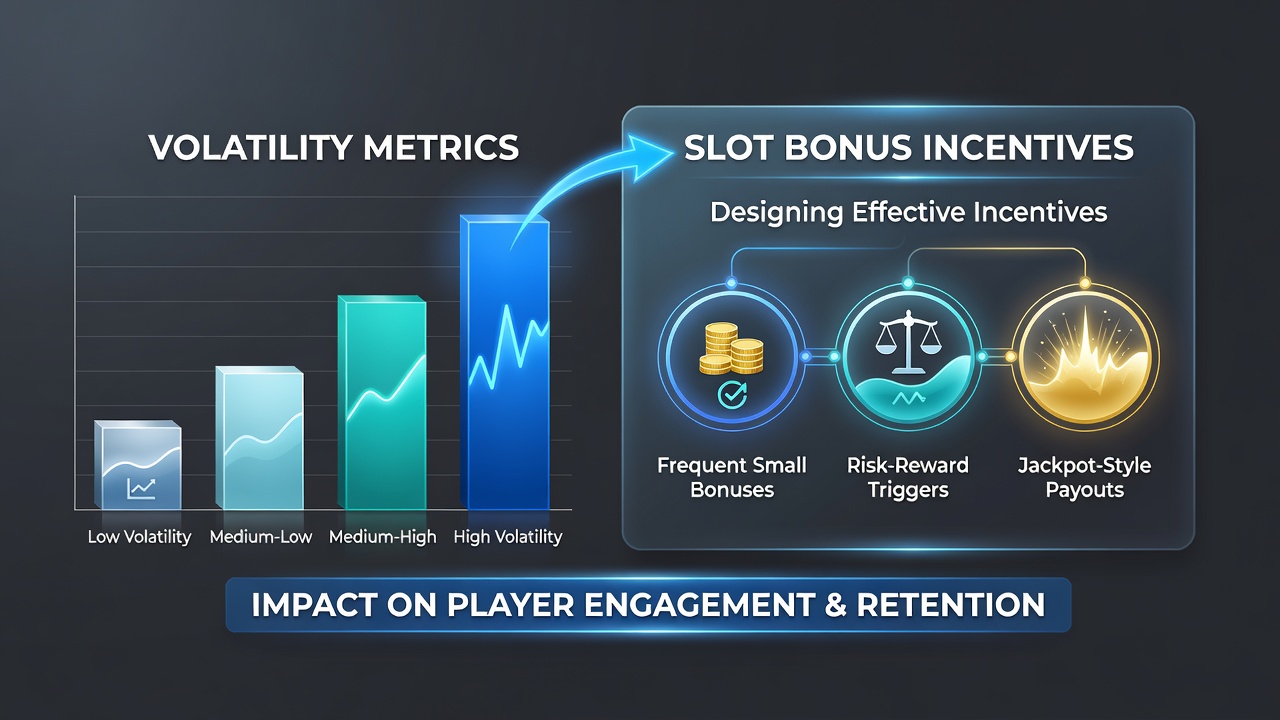
Low-volatility slots typically return smaller prizes at regular intervals, medium-volatility games balance frequency with occasional larger payouts, and high-volatility machines reserve rewards for rarer events that can exceed several thousand times the stake. Researchers at institutions tracking global gaming patterns note that these categories emerge from mathematical models embedded in each title's random number generator, and operators review return-to-player percentages alongside volatility indices when selecting games for promotional campaigns. In July 2026 several regional markets reported updated volatility classifications for newly released titles, which prompted operators to adjust bonus parameters accordingly.
Matching Bonus Types to Volatility Levels
Operators design free spin packages differently depending on the volatility profile of featured games, because low-volatility slots benefit from extended spin quantities that compound modest wins, whereas high-volatility titles often pair with fewer spins accompanied by higher per-spin multipliers or bonus buy features. Data indicates that cashback offers perform better on high-volatility libraries when the percentage threshold resets weekly rather than daily, allowing players time to experience the natural variance before receiving returns. Medium-volatility games frequently receive hybrid incentives that combine modest deposit matches with targeted free spin allocations, and studies from the Nevada Gaming Control Board demonstrate how these layered structures correlate with session length across player segments.
Regional Data Patterns Emerging in 2026
Market reports compiled through mid-2026 reveal that European operators increased allocation of no-wagering free spins toward medium-volatility portfolios, while North American platforms emphasized reload bonuses on high-volatility progressive titles. The Nevada Gaming Control Board published quarterly volatility distribution summaries that showed a 12 percent rise in high-volatility game placements compared with the previous year, and incentive redemption rates followed similar shifts. Australian research centers tracking player behavior across licensed venues found that bonus structures calibrated to volatility reduced early session terminations by measurable margins, particularly when progressive jackpot contributions were highlighted alongside the incentive terms.
Practical Design Considerations for Incentive Teams
Teams responsible for bonus creation examine hit frequency rates and standard deviation figures before finalizing terms, since high standard deviation games require incentives that accommodate longer dry spells without eroding player trust. Progressive jackpot slots, which often register elevated volatility scores, receive bonus designs that incorporate jackpot contribution boosts or dedicated leaderboards, and evidence from multiple jurisdictions shows these additions extend average play duration. Low-volatility selections, by contrast, receive incentives focused on volume such as multi-day spin packs or loyalty point accelerators that reward steady engagement rather than isolated large outcomes.
Player Segment Responses Across Volatility Ranges
Segmentation analysis reveals that casual participants gravitate toward low-volatility titles when bonuses emphasize steady value accumulation, while experienced players often select high-volatility options paired with high-upside incentives like bonus buy credits or exclusive tournament entries. Figures released by the Canadian Centre for Gaming Research in early 2026 indicated that cross-segment incentive testing produced higher retention when volatility disclosures accompanied bonus promotions, allowing players to anticipate payout rhythms before committing funds. Operators therefore integrate volatility labels into marketing materials and account dashboards to support informed selection of both games and associated incentives.
Conclusion
Volatility metrics provide the quantitative foundation for aligning slot bonus incentives with expected payout patterns, and operators that apply these measurements consistently achieve measurable differences in engagement metrics across game portfolios. Continued refinement of these approaches will depend on access to updated performance data and regulatory reporting requirements that vary by jurisdiction, yet the core relationship between volatility classification and incentive structure remains consistent across markets.